WEISHENG / ABOUT US
Our Client Cooperation ProcessFrom the first brief to agreed delivery milestones.
A structured footwear project needs clear requirements, sample decisions and documented responsibilities. Weisheng’s cooperation process connects the initial inquiry with development, quotation, production coordination and delivery planning. The actual sequence and scope are agreed for each project.
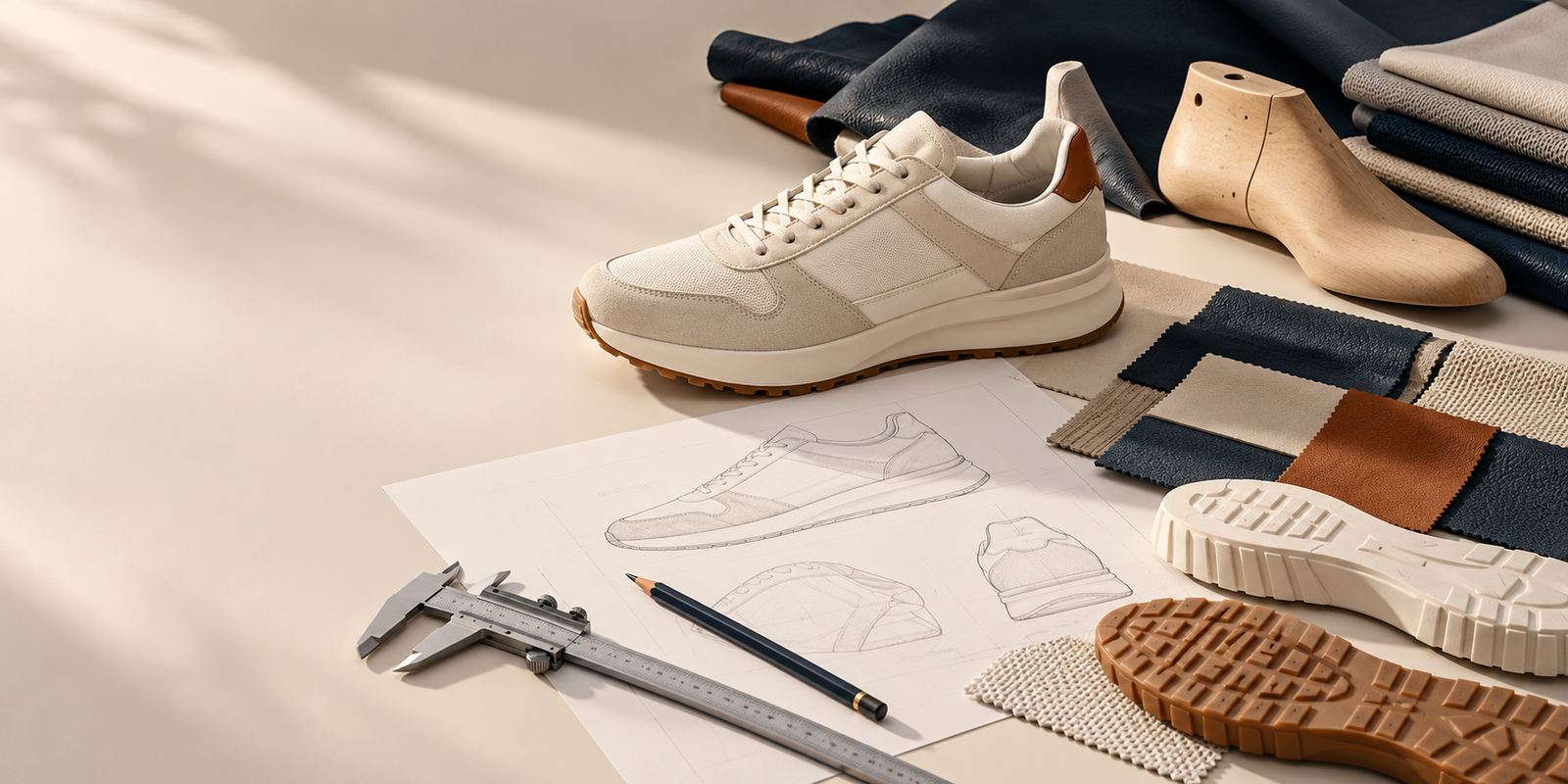
01 / PROJECT PERSPECTIVE
Six stages for a clearer project conversation
Use these stages to organize information, approvals and next actions. They describe a cooperation framework rather than a fixed delivery promise. Style complexity, material availability, manufacturing resources and the destination market can affect the route.
Inquiry and project brief
Share reference images, a sample, sketches or a technical pack. Explain intended use, target market, estimated quantity and expected timing. Identify the information available and the questions still open.
Requirement and feasibility review
Discuss construction, upper and outsole materials, colors, branding, packaging and the required service scope. Review product availability, functional expectations and manufacturing feasibility before agreeing a development route.
Sample development and evaluation
Confirm sample expectations, relevant review criteria and any applicable testing. Review material and color consistency, workmanship, sizing, bonding, stitching, labeling and packaging. Record feedback, revisions and the approved reference.
Quotation and order confirmation
Agree specifications, approved samples, MOQ, price, sample costs, payment terms and timing. Clarify intellectual property, authorized brand use, trade terms and responsibilities before treating an order as confirmed.
Production coordination and follow-up
Coordinate the agreed requirements across materials, upper processing, stitching, assembly, finishing and packing as applicable. Use milestones to review progress and document proposed changes or decisions needing approval.
Inspection and delivery coordination
Arrange the agreed inspection or third-party testing where applicable. Confirm packaging, labels, shipping documents and delivery arrangements. Exporter of record, destination compliance and after-sales responsibilities follow the contract.
02 / CONNECTED STEPS
The project at a glance
Each transition needs a clear basis and the next responsible party.
- 01
Inquiry
References and intended product. - 02
Review
Requirements and feasibility. - 03
Sample
Evaluation and approval. - 04
Quotation
Specifications and terms. - 05
Coordination
Production-stage follow-up. - 06
Delivery
Verification and documents.

03 / DETAILS THAT MATTER
Prepare a useful brief before the first conversation
You do not need every detail finalized to start. A clear description of the product and its intended market helps identify what needs development, what can be evaluated from a sample and which commercial questions remain open.
- Product referencesImages, sketches, samples or a technical pack.
- Product requirementsUse, construction, materials, colors, size range and branding.
- Market & quantityDestination market, target customer and estimated volume.
- Commercial contextTarget cost, expected timing, packaging and support needed.
04 / CLEAR AGREEMENTS
Useful records at the main decision points
Agree which documents and approvals apply to your project, and keep the current version accessible to the responsible parties.
| After brief review | A record of requirements, open questions and the proposed scope. |
|---|---|
| After sample review | Feedback, revisions, applicable evaluation criteria and the approved sample reference. |
| At order confirmation | Quotation or contract, specifications, quantities, payment terms and agreed timing. |
| Before dispatch | Agreed inspection or testing records, packing information and shipping documents. |
05 / PRACTICAL QUESTIONS
Questions before you start
How long does the complete process take?
There is no single lead time for all footwear projects. Development scope, material availability, style complexity, production planning and delivery requirements need individual review before dates can be confirmed.
Can requirements change after a sample is approved?
A proposed change should be documented and reviewed by the responsible parties. Its effect on samples, specifications, price, quantity or timing needs confirmation before it replaces the agreed basis.
Start with your product brief
Send your available references and explain the market, estimated quantity and target timing. The first step is to establish what needs to be reviewed.
Victor Qin
qin@shoefactorydirect.com
sales@shoefactorydirect.com
WeChat: qixun2268